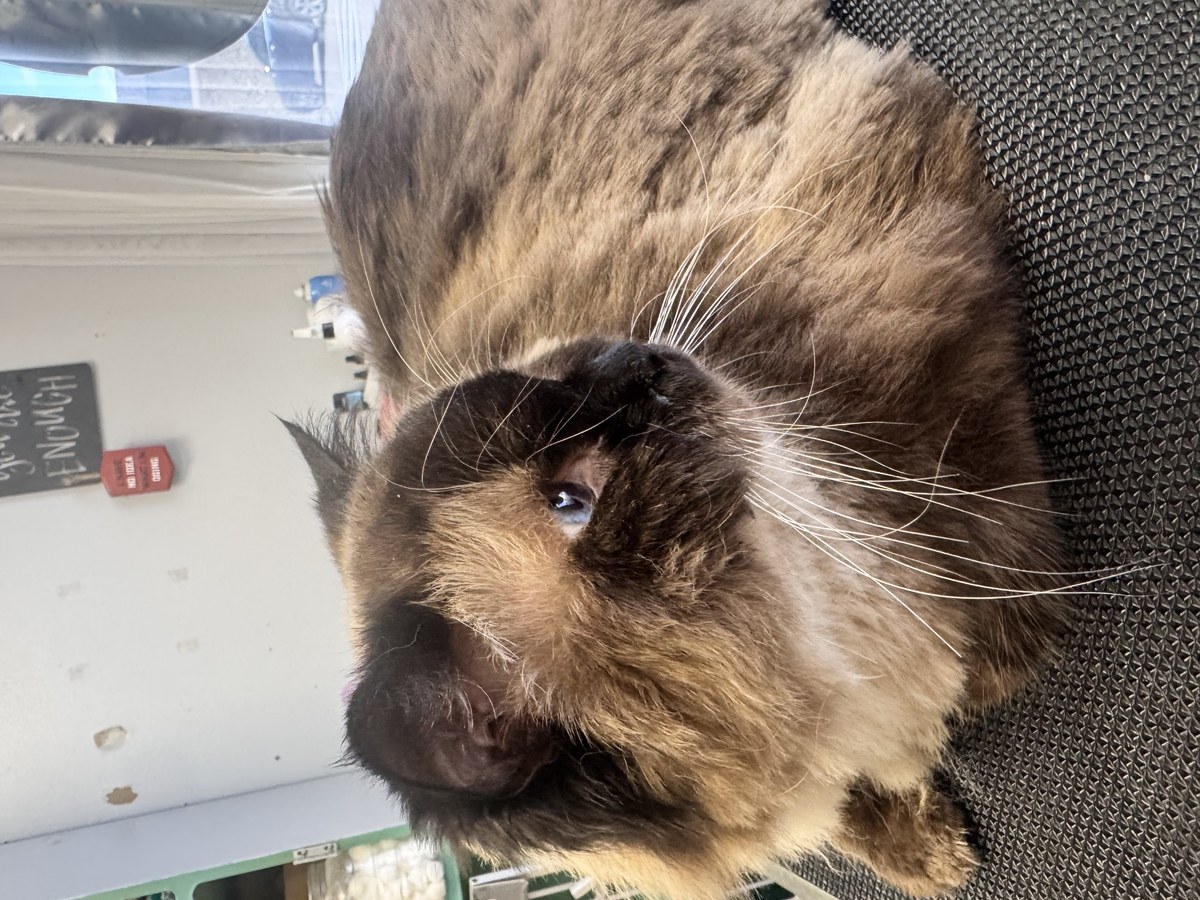
Why "Bad Grooming Cats" Are Usually Just Scared Cats
When we hear a cat is "bad" at grooming, our first question is always: what were their previous experiences like? Almost universally, a cat labeled "difficult" or "aggressive" has had grooming experiences that were stressful, rushed, or physically uncomfortable. Their behavior is not a personality flaw — it's a learned protective response. They're trying to communicate that something feels unsafe.
The Neuroscience of Trust-Building
Cats form associations quickly and hold them for a long time. A single traumatic grooming event can create a fear response that lasts years. But the inverse is also true: positive, low-stress experiences compound and reshape the association. The key is consistency — not just a good first appointment, but a reliably good experience every time. When a cat learns the grooming environment is predictable and safe, the nervous system stops preparing for threat.
We see this regularly: the cat who required two people to hold them starts settling quietly on the table after a few consistent visits. It never stops being remarkable.
We don't celebrate getting through an appointment. We celebrate when a cat stops watching the door. When they lean into a brush stroke instead of away from it. When their body softens. That's the whole thing.