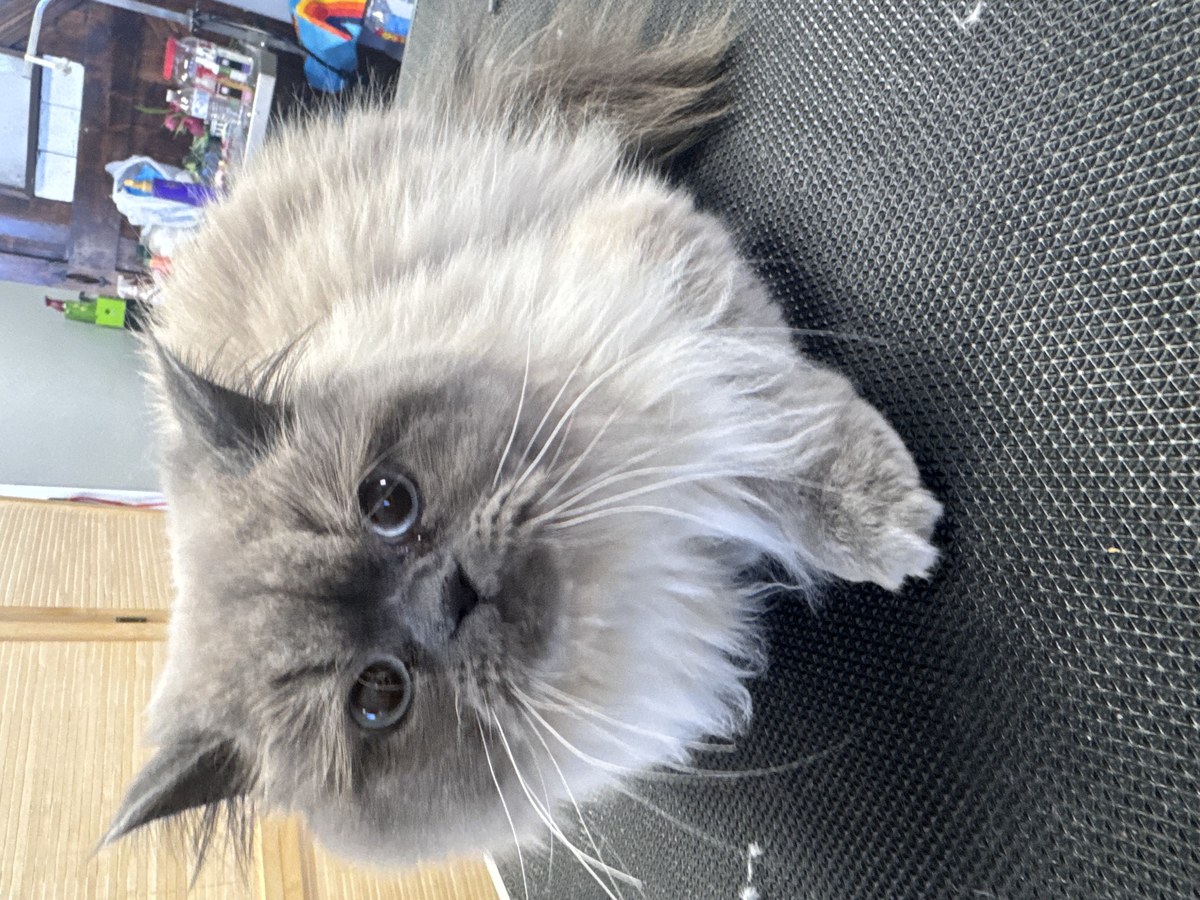
The Short-Hair Myth
Cats are famously self-grooming. Short-haired cats seem to handle it even more effortlessly. But self-grooming addresses surface cleanliness only. It does not address dead undercoat buildup, skin condition monitoring, oil distribution, ear and nail health, early detection of parasites or irritation, or matting in dense-coated cats mislabeled as "short hair."
What Professional Grooming Actually Does
A professional grooming session for a short-haired cat is a head-to-tail wellness check. A trained groomer evaluates skin health, coat texture, and oil balance — spotting early signs of allergies, fungal issues, or hormonal changes. The bath removes allergens, environmental pollutants, and excess oils. A deshedding treatment dramatically reduces the loose fur your cat ingests — directly impacting hairball frequency.
The Hairball Connection
Short-haired cats still shed. And every strand they lick off travels through their digestive system. Regular professional grooming, including a thorough deshedding treatment, removes loose coat before it becomes your cat's next meal. Cat PAWrents who groom their short-haired cats consistently typically report a significant reduction in hairball frequency. Fewer hairballs means less digestive stress and a cat who feels genuinely better day to day.
Short-haired cats aren't exempt from professional grooming. They're just easier to overlook. That's exactly the kind of advocate we want to be for them.