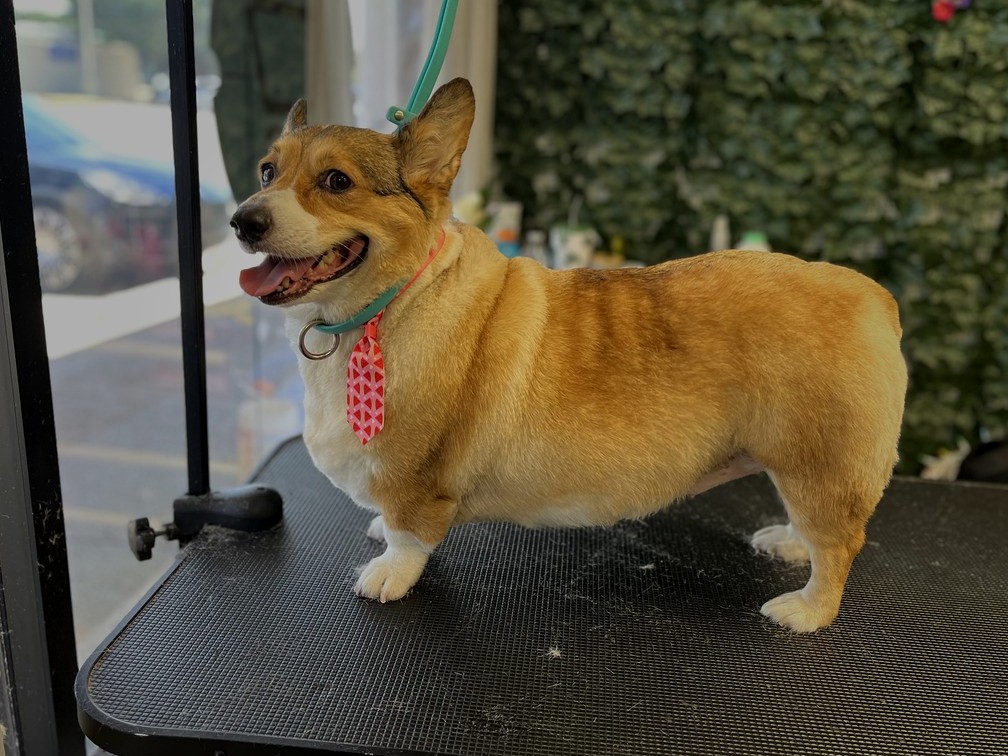
The Head-to-Tail Health Assessment You Don't Know You're Getting
Every professional grooming session puts a trained set of eyes and hands on your dog from nose to tail. We aren't vets and we don't diagnose, but during a full groom a skilled groomer notices: skin condition across the entire body, coat texture and health, ear canal health and debris level, eye discharge and clarity, dental health indicators, nail and paw pad condition, and unusual lumps or masses that may not be visible through the coat.
Your veterinarian sees your dog once or twice a year. Your groomer may see them every 6–8 weeks. That frequency matters enormously for early detection.
Early Detection in Practice
Real conditions regularly first noticed during grooming: signs of ear irritation, skin that looks red or sore, suspicious lumps worth a vet's follow-up, severe dental disease visible during facial grooming, parasites including fleas, ticks, and mites, and overgrown dewclaws that had curled back toward the skin.
The Nail-and-Ear Factor
Overgrown nails change how a dog bears weight, affecting joint alignment and gait. Regular nail trimming — ideally every 4–6 weeks — is structural health care, not cosmetic. Ear health varies enormously by breed. Regular ear cleaning during grooming gives us a chance to spot redness, odor, or debris early, so you can ask your vet about it.
The more regularly a dog is groomed, the more effective the health monitoring — and the more comfortable the dog becomes with the process. Consistency is the foundation.